

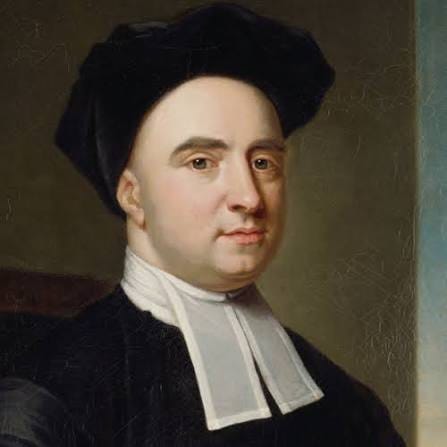
Modern philosophy is widely perceived to be more hospitable to atheism than ancient and medieval philosophy were. And it has been, certainly during the last two centuries of its history. But at its beginnings, theism was as central a feature of most of the great modern metaphysical systems as it had been of their predecessors. The difference was that the moderns put their theism on novel foundations, and took it in novel directions. While these differences were not atheistic in intent, they arguably weakened theism in a way that helped grease the skids for atheism, and for heterodoxy among those modern thinkers who retained some sort of theism.
Berkeley’s neglected but interesting version of theism affords an example. He is best known, of course, for his thesis that esse est percipi or “to be is to be perceived.” For Berkeley, only minds and their ideas exist. That does not mean the table in front of you isn’t real. What it means is that what that table is just a collection of ideas – the idea of the table you have when you look at it from this angle, the idea you have of it when you look at it from that angle, the idea you have when you touch it, the idea another person has when he sees it, and so on. All the ordinary objects of our experience, in Berkeley’s view, are collections of the ideas we have in seeing, hearing, tasting, touching, and smelling them.

